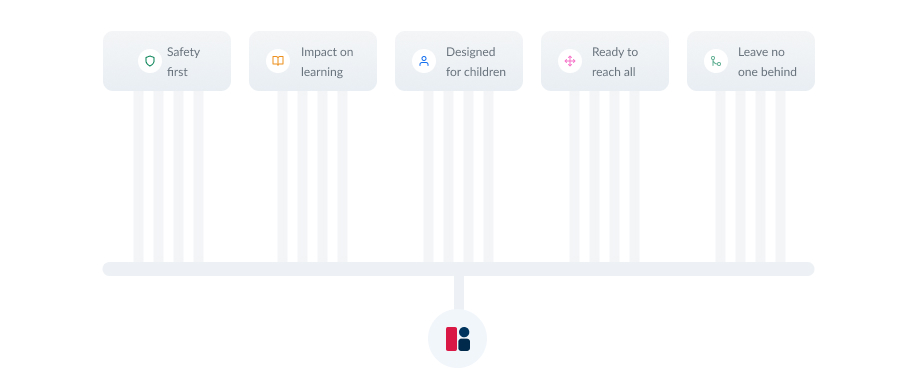
We previously discussed these principles, but we will summarize them here again.
-Accessibility: The product prioritizes accessibility by offering features such as text-to-speech (voiceover), synchronized text highlighting, and audio instructions. These tools cater to students with diverse learning needs, including those with dyslexia, ADHD, or visual impairments, ensuring equitable access to educational content.
-Cultural Sensitivity: Content is curated to respect and reflect diverse cultural perspectives. This includes offering customizable options for schools to filter or hide content based on cultural sensitivities or preferences, fostering an inclusive learning environment.
-Customization and Personalization: Teachers can customize learning experiences by adjusting content accessibility settings, creating tailored assignments, and selecting materials that meet individual student needs. This approach supports differentiated instruction and addresses varied learning styles.
-Equitable Resource Allocation: The pricing strategy considers economic conditions, offering adjustable pricing options based on geographical location, institution type (public or private), and competitive market pricing. This ensures that schools with varying financial resources can afford and benefit from the product.
-Continuous Improvement and Feedback: The product evolves through ongoing feedback from educators, students, and experts in educational technology. This iterative process allows for enhancements that address emerging needs and align with best practices in inclusive education.
-Research-Based Approaches: Development and updates are informed by research findings and collaborations with academic institutions like the University of Helsinki, Corvinus University Budapest, ELTE, and Lancaster University, ensuring that educational strategies are evidence-based and effective for diverse learner populations.
-Partnerships for Impact: Collaborations with educational organizations and institutions extend the product's reach to marginalized communities and underserved populations. These partnerships aim to close educational gaps and provide equitable opportunities for all learners.