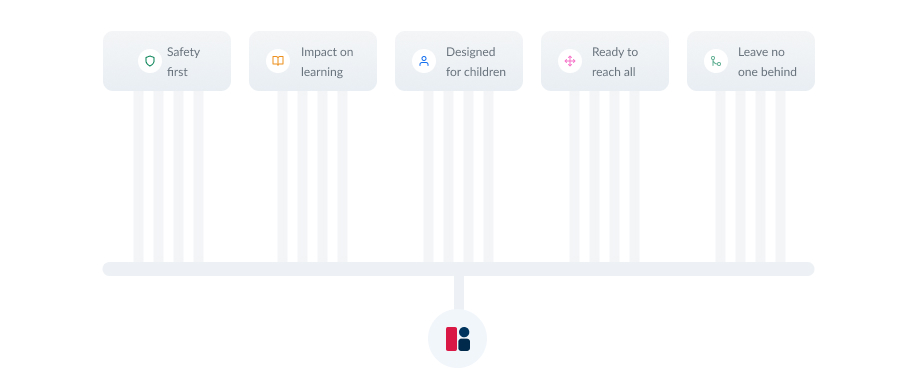
Seesaw adheres to several key principles of inclusion and equity across its product design, functionality, and business model. These principles are aimed at creating an accessible, empowering, and culturally responsive learning environment for all children, teachers, and families.
Universal Design for Learning (UDL) in Product Design
Seesaw's product design is fundamentally based on UDL principles, ensuring the platform is usable for a wide range of abilities and learning styles from the outset.
Multimodal Representation: The platform offers multiple ways for students to show their learning, including drawing, video, audio recording, and text. This is critical for equity, as it empowers students who are pre-readers, non-verbal, or have fine motor skill challenges to express their knowledge and participate fully in the classroom.
Accessibility Compliance: The product is designed to be compliant with WCAG 2.1 AA accessibility standards. It supports assistive technologies like screen readers and keyboard navigation, and provides options for teachers to add closed captions and alt text to user-generated content.
Simplified Interface: The user interface is intentionally simple and intuitive, making it accessible for young children (as young as preschool) and users with limited digital literacy. This reduces the learning curve and ensures all students can engage with the technology without significant barriers.
Empowering Learner Agency and Mitigating Power Dynamics
The platform's features are designed to shift the learning process from a one-way street to a collaborative loop, fostering student agency and a more equitable teacher-student relationship.
Student-Driven Portfolios: The core of Seesaw is a student-driven portfolio. This gives students ownership of their learning, allowing them to choose what to add and how to represent their work. This moves the power dynamic from the teacher being the sole collector of work to the student being the active documentarian of their own progress.
Feedback and Revision Loop: Teachers can provide personalized feedback on a student's work and send it back for revision. This promotes a "growth mindset" and teaches students that mistakes are part of the learning process, rather than a final judgment. It moves the focus from a single grade to continuous improvement.
Private vs. Public Content: While students can share their work with the entire class, teachers can also create private folders and a private communication channel with students and families. This allows for sensitive or personal work to be shared privately, protecting the student and ensuring they feel safe to share their thoughts and feelings.
Inclusive and Representative Content and Communication
Seesaw's functionality is built to break down barriers related to language, culture, and communication.
Multilingual Support: The platform offers automatic, real-time translation for messages, captions, and comments in over 100 languages. This is a powerful tool for bridging communication gaps between teachers and families from diverse linguistic backgrounds, fostering a stronger home-school connection.
Representation: The product's library of pre-made activities and templates is designed to be culturally responsive. It includes diverse imagery and addresses topics related to social-emotional learning and anti-bias education. The content aims to help students see themselves and their cultures represented in their learning materials.
Equitable Access in the Business Model
Seesaw's freemium business model is a key component of its equity strategy, ensuring that financial constraints do not completely bar access to the product.
High-Value Free Tier: A robust, free version of Seesaw is available to all teachers and schools. This provides core functionalities like the digital portfolio, communication with families, and a significant activity library at no cost. This ensures that teachers in under-resourced schools can still benefit from the product's core features.
Tiered Pricing for Advanced Features: The paid tiers for schools and districts add features like rostering integrations, advanced analytics, and long-term portfolio storage. These are valuable for school-wide or district-wide implementation, but their absence does not prevent a teacher from using the platform for daily instruction and communication. This approach ensures that the most impactful equity features (like multimodal tools and family communication) are accessible to everyone, while advanced administrative tools are reserved for paid plans.