1. Child-Centered Co-Creation
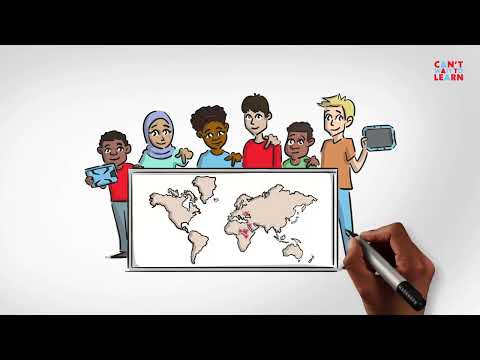
Children are involved in the design of the game world. The game world is designed to help address entrenched issues of stigma and discrimination by including characters with disabilities. Special care is taken to ensure representation of girls and children with disabilities throughout the design process.
2. Localisation & Contextual Relevance
Content is aligned with national curricula, translated into local languages, and adapted to cultural norms.
Materials reflect local realities, including names, settings, and everyday experiences familiar to the children using the product.
3. Inclusive Interface and Accessibility
The game is designed to be accessible for children with low literacy levels, and includes:
- Audio instructions
- Intuitive visuals
- Minimal text where possible
Adaptations for children with learning difficulties and trauma-related challenges are integrated, based on War Child’s psychosocial support expertise.
4. Gender Equity
Games are reviewed and tested to ensure balanced gender representation in characters and narratives. Materials are designed to challenge stereotypes and promote equal participation by girls and boys.
5. Offline-First Functionality
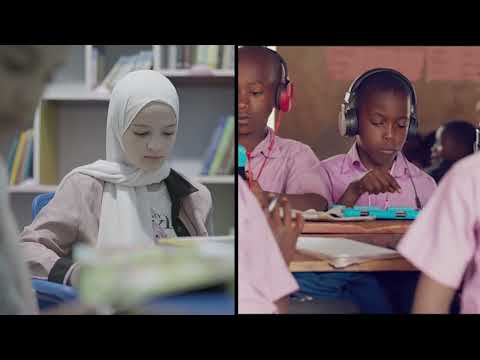
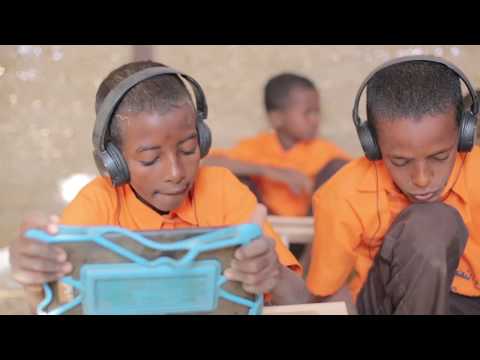
The programme is accessible offline via tablets or other devices, making it suitable for low-connectivity environments—essential for marginalised communities.
6. Ethical Business and Delivery Model
Delivered in partnership with ministries of education, NGOs, and local actors, to support system strengthening and equitable access.
The programme is implemented through public sector or non-profit delivery channels, not commercial distribution, ensuring it remains accessible to those most in need.
War Child and partners are committed to open sharing of learnings and tools, contributing to global public goods in EdTech.
7. Diverse and Inclusive Teams
Development and implementation teams are composed of diverse professionals across global and local contexts.
The approach emphasises capacity building with local partners and the recruitment of national staff, contributing to more equitable power dynamics.
8. Evidence-Driven Adaptation
Regular monitoring, research, and evaluation are conducted using disaggregated data (e.g., by gender, age, disability) to identify and address disparities in usage and outcomes.